Questions before you begin
Frequently asked questions
I’m in my 70s. Is the program suitable for me?
The program was designed specifically for golfers over 50, including golfers in their 60s and 70s. The sessions use low repetitions, gradual progression and generous recovery. If you have a medical condition, recent injury or concerns about exercise, consult an appropriate healthcare professional before beginning.
I have an old back, shoulder or knee problem. Can I still do it?
Many golfers start with old injuries or restricted movement — the low repetitions and gradual progression are designed with exactly that in mind. But the program can’t diagnose or treat an injury: don’t train through sharp or worsening pain, and seek professional advice where needed.
Will this change my golf swing?
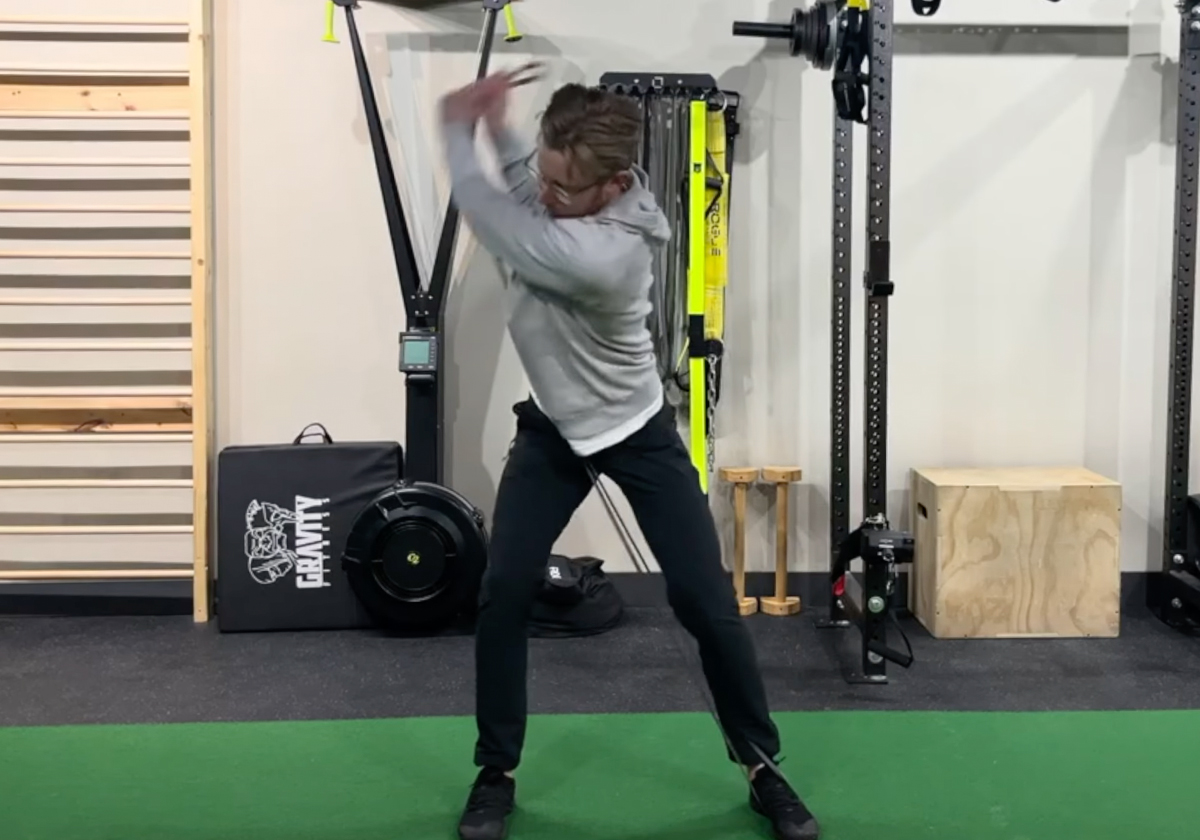
No. This is not a swing-instruction program or a technical rebuild. It uses simple driver drills to help you swing faster with the motion you already have, supported by the movement and power work that helps those swings count.
I already go to the gym. Do I still need this?
General strength is useful, but being strong does not automatically make you fast. The program specifically trains explosive intent and connects that work to progressive driver drills. It can sit alongside an existing strength routine if you manage your overall training load.
How does the program fit around my golf?
It sits alongside your golf rather than competing with it. Put the Speed Sessions on days you're not playing — they take about 15 minutes and finish with your driver in your hands, so plenty of golfers do them at the range. Active Recovery sessions are gentle mobility work, so they're fine on a golf day, before or after a round. The days are numbered rather than fixed to a calendar, so you can arrange them around your tee times. Miss a day and you simply pick up where you left off.
How much time does it take?
Most Speed Sessions take about 15 minutes and Active Recovery sessions are usually shorter. On the Alternating Track, you complete one short session each day. On the Daily Track, you complete both together and then take a full day off.
How is the program delivered?
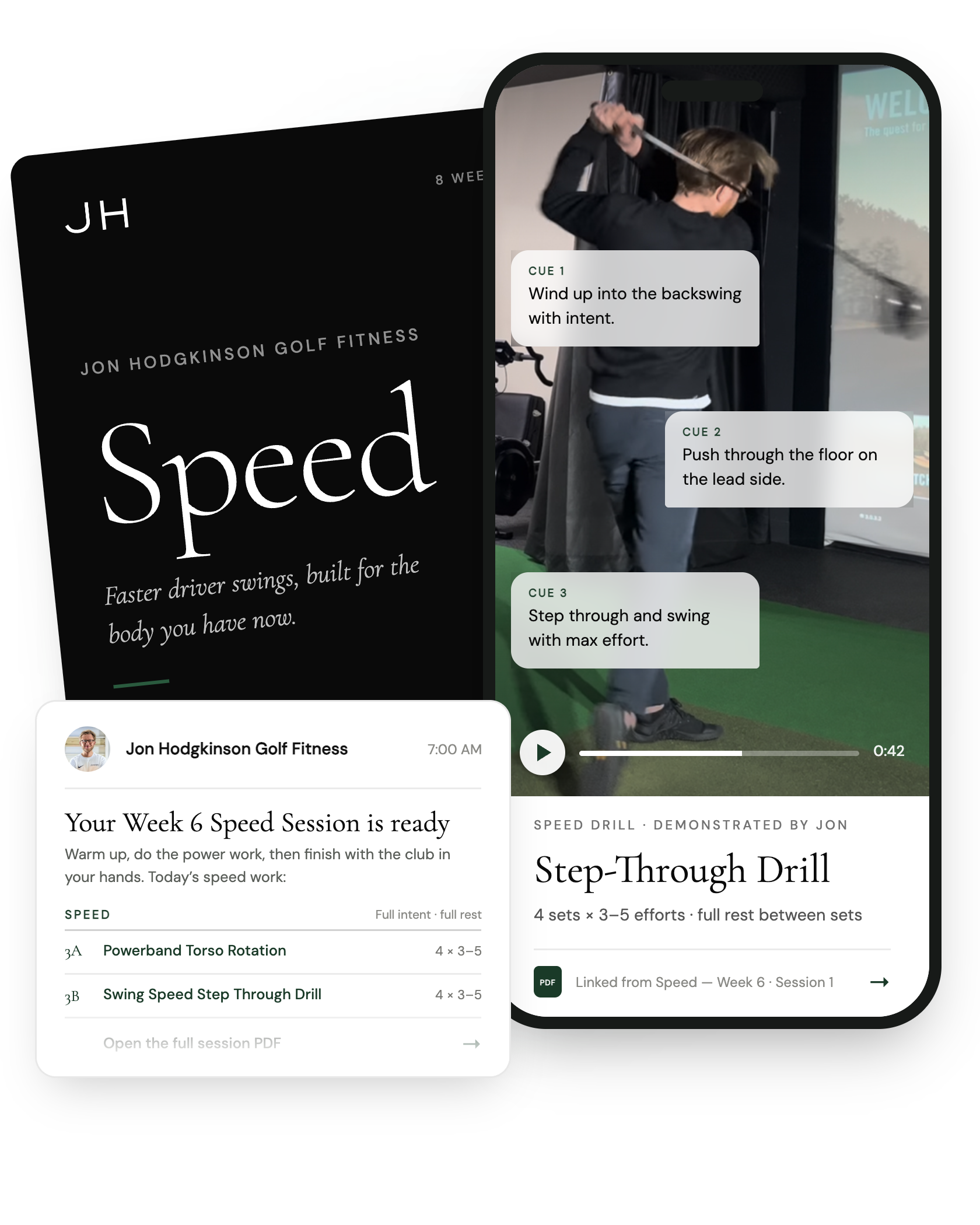
By email and PDF. Your next session is sent automatically according to the track you choose. Each PDF contains the exercise order, sets, repetitions and rest periods, with direct links to Jon’s demonstration videos. There is no app, account or password to manage.
Which training track should I choose?
Choose the Alternating Track if you prefer one short session each day, switching between Speed and Active Recovery. Choose the Daily Track if you would rather complete both sessions together and have a full day off between training days. The exercises and eight-week progression are the same, and you can switch tracks at any time.
What equipment do I need?
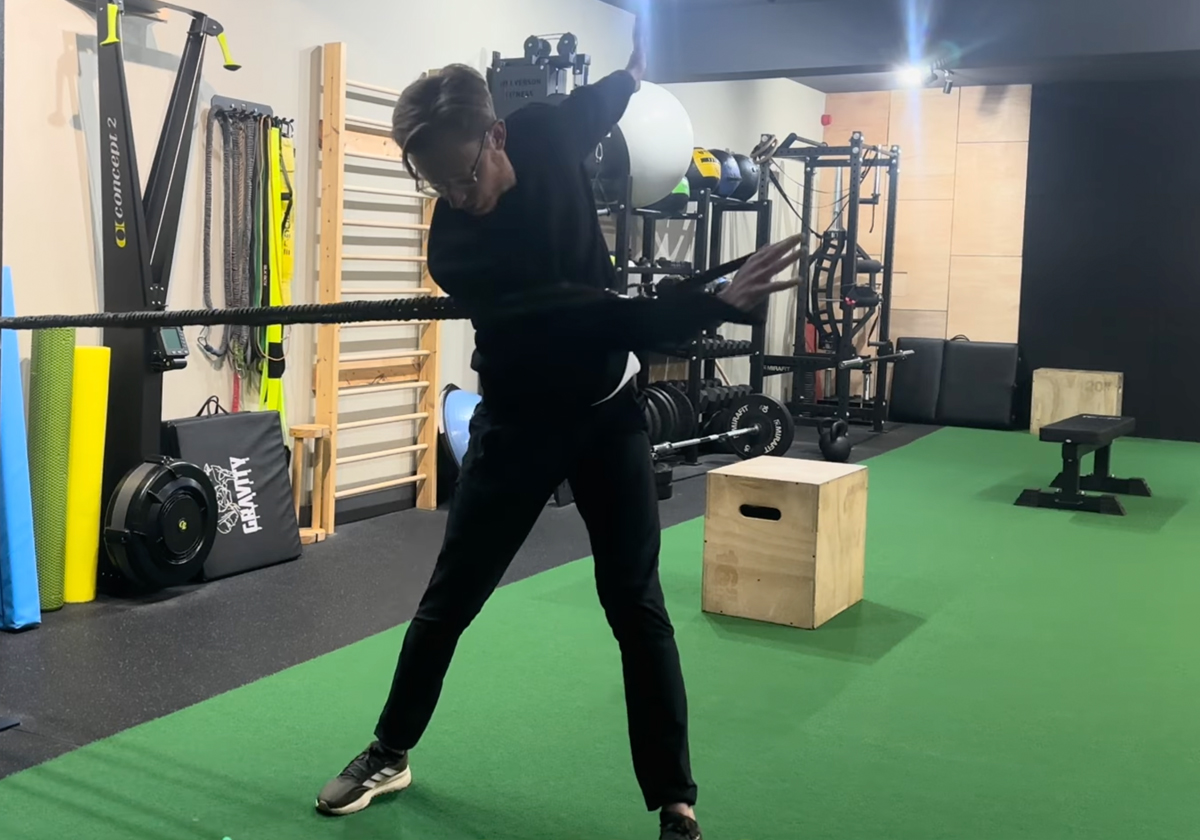
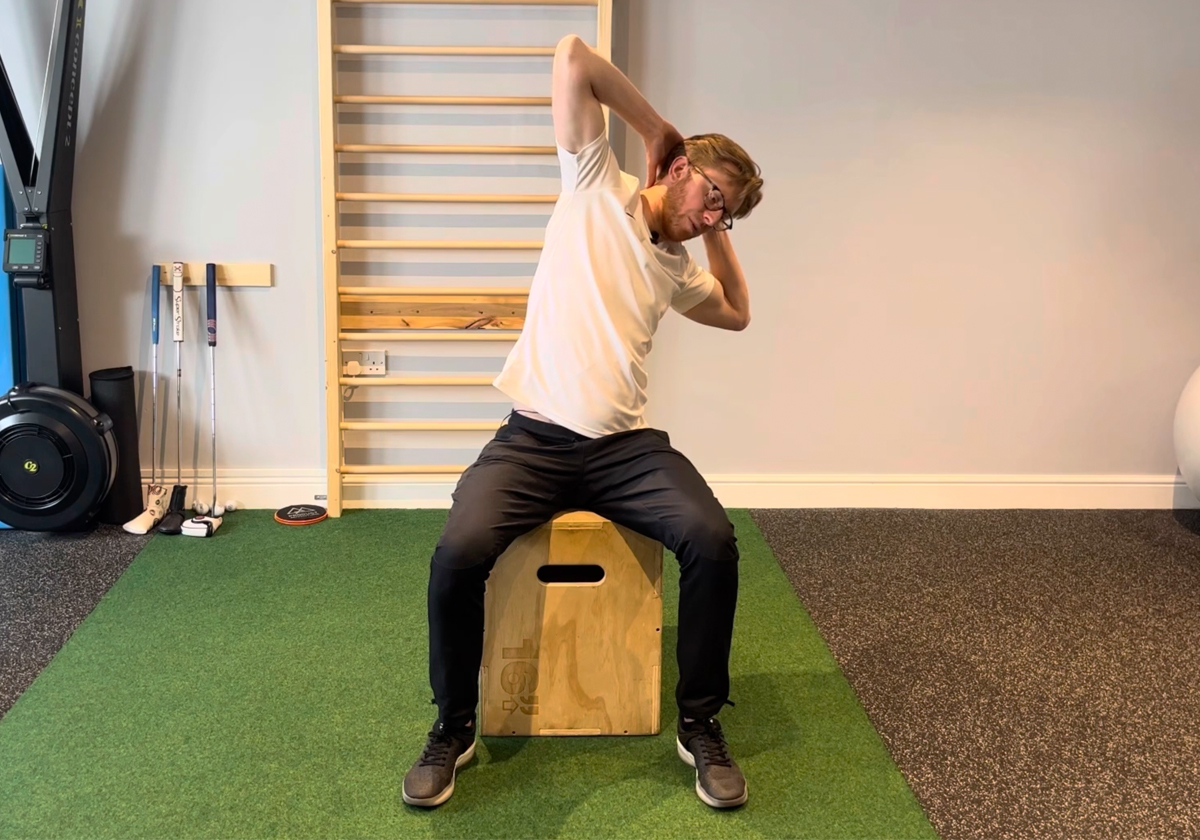
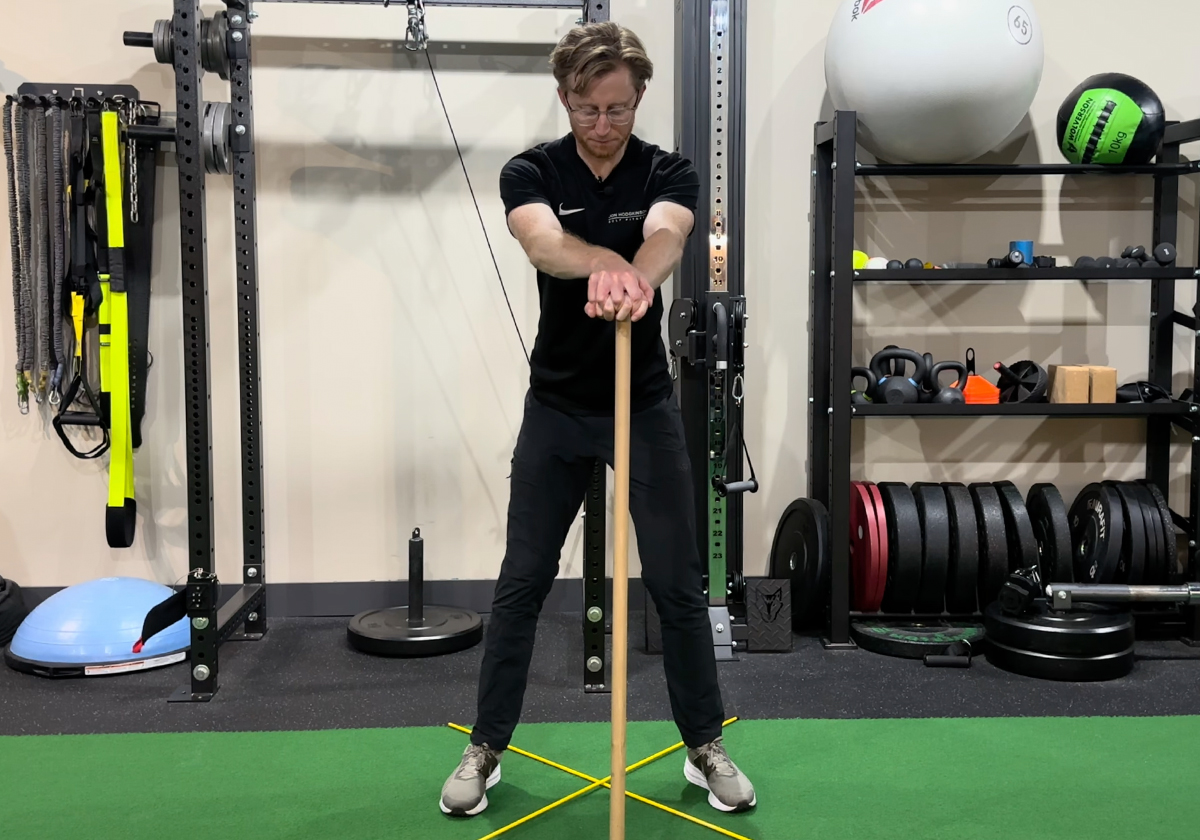
A set of resistance bands, a sturdy chair or box, an alignment stick or old shaft and your own driver. The bands should cost approximately $25, and exact purchasing links are included.
Do I need a speed radar or launch monitor?
Not to follow the program. Testing is optional and none of the training depends on it. The results guarantee is a different matter: it's based on a genuine before-and-after clubhead speed measurement, so to claim it you'll need access to something that measures swing speed directly — a launch monitor, a swing radar, a simulator at your club or range, or a golf watch that reads speed. Most golfers have access to one of these. Whatever you use, measure the same way at the start and at the end.
How does the results guarantee work?
Measure your speed before you begin, follow the program, and measure again at the end using the same method. If you haven’t gained clubhead speed, email us within 90 days of purchase and we’ll issue a full refund.
Why not just make more maximum-effort swings?
Maximum-effort swings are included, but they are separated by enough rest to protect speed and quality. Once fatigue sets in, both usually fall, so the program prioritizes genuine high-intent efforts rather than tired repetitions.
What happens after the eight weeks?
You keep lifetime access to the full program, so you can repeat any session whenever you want. Your purchase also includes Infinite Speed — a simple two-session weekly plan for holding onto the speed you have built after the eight weeks.
Is this a subscription?
No. You make one payment of $199 USD and receive lifetime access to the Speed Program and Infinite Speed.
When can I begin?
Access is immediate. You’ll receive your program PDFs right away, then choose your track and the date you want the session emails to begin — immediately or later. You can also complete an optional baseline speed check before your first session.